Hiring Challenges in High-Turnover Industries
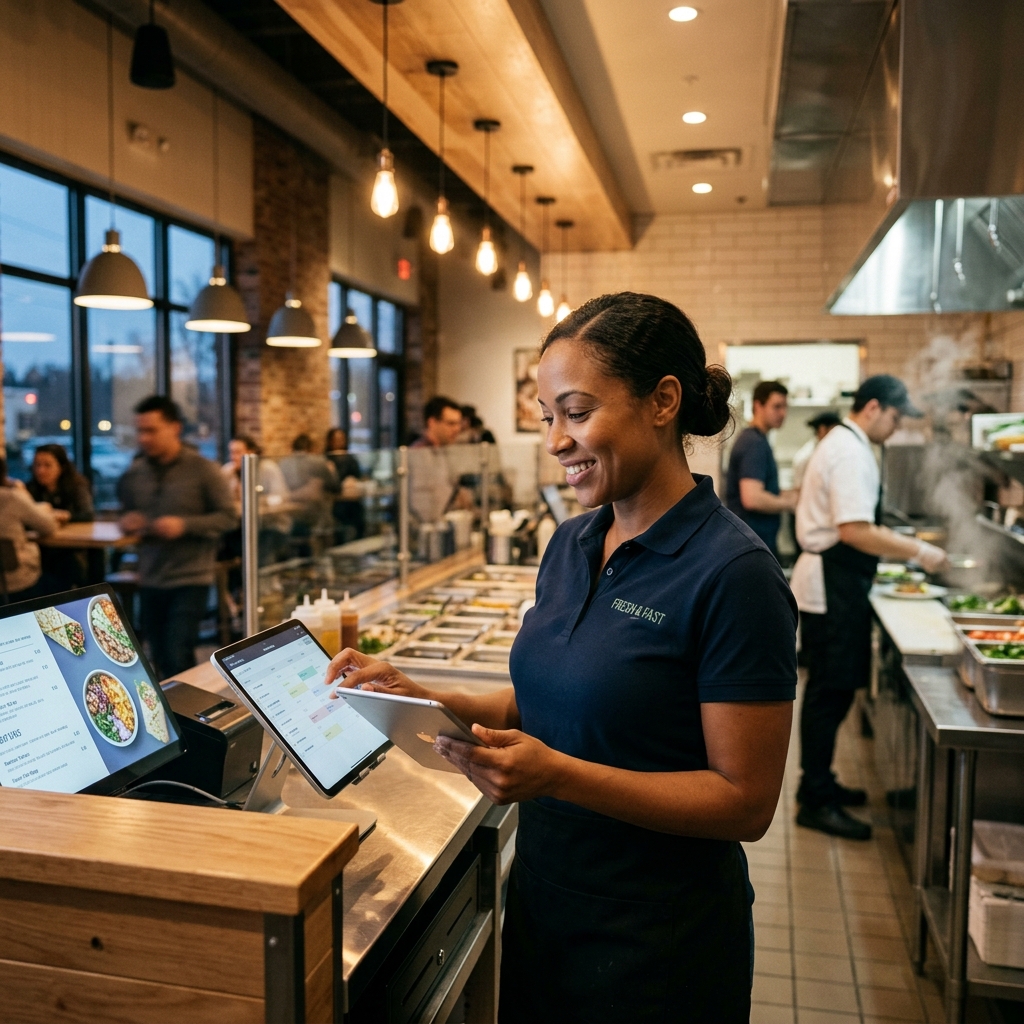
Working in the quick-service industry teaches you one thing fast: hiring can’t be your last priority. During my time at Biggby Coffee, I saw the same struggles play out at every location. High turnover, tight schedules, and constantly shifting priorities created a perfect storm for hiring headaches.
Even in well-run cafes, managers were stretched thin. They juggled scheduling, shift coverage, and customer demands, all while trying to fill open positions. When an employee didn’t show up or a new hire didn’t work out, the stress cascaded through the team. I still remember being a manager myself. The minute you sit down to do the schedule (and possibly eat), someone else needs something from you and then your priorities shift. These small, everyday moments added up, creating tension and frustration for both staff and customers.
Common Pain Points
Hiring challenges in these environments go beyond logistics. Some common pain points I witnessed:
Constant turnover: New employees arrive just as others leave, creating endless exhausting cycles of onboarding and training.
Overloaded managers: With so many responsibilities, following up with candidates or keeping track of applications often falls to the bottom of the list.
Unpredictable staffing gaps: Open roles quickly turn into understaffed shifts, impacting both team morale and customer experience.
Pressure to hire quickly: When a role sits empty, managers feel the pressure to fill it immediately, which can lead to rushed or gut-based decisions.
Candidate disengagement: Applicants who sense chaos or lack of communication often disengage or “ghost” the process.
From barista to Director of Operations, I saw how these challenges played out across every level of the organization. Even the most skilled managers were often trapped in reactive mode responding to crises instead of having the bandwidth to think proactively about hiring.
Regaining Control
While these hiring challenges can feel overwhelming, there are ways to regain control. Tools and systems that provide structure, automate repetitive tasks, and give managers clear visibility into candidates can make a huge difference.
With the right approach, even high-turnover environments can become predictable and manageable, allowing teams to focus on their work, support one another, and deliver a better experience for both employees and customers.